
Japanese design often transcends mere functionality, achieving a harmonious blend of aesthetics and practicality. This meticulous approach is particularly evident in the Japanese shampoo dispenser aesthetic, where minimalism and sophisticated materials converge. Beyond the simple act of dispensing shampoo, these designs evoke a sense of calm and tranquility, reflecting the cultural values that underpin Japanese design philosophy.
From the subtle use of natural motifs to the strategic employment of negative space, Japanese shampoo dispensers offer a compelling study in design principles. This exploration will delve into the intricacies of form and function, color palettes, and materials, uncovering the unique characteristics that distinguish this aesthetic from other global design trends.
Defining Japanese Shampoo Dispenser Aesthetics
Japanese shampoo dispensers, a ubiquitous fixture in Japanese homes and spas, are more than just containers for cleansing agents. Their design often reflects a deep-seated cultural emphasis on minimalism, functionality, and meticulous craftsmanship. This aesthetic transcends simple practicality, embodying a philosophy of understated elegance and harmonious integration into daily routines. The visual characteristics, material choices, and overall form contribute to a distinct and recognizable aesthetic.The aesthetic is characterized by a meticulous balance between form and function.
Clean lines, neutral palettes, and a focus on material quality are key elements. This approach aims to create products that are not only effective but also visually appealing and seamlessly integrated into the surrounding environment. The design language prioritizes a sense of calm and tranquility, reflecting the Japanese appreciation for simplicity and natural beauty.
Visual Characteristics
Japanese shampoo dispenser design often emphasizes clean lines and a minimalist approach. The focus is on straightforward shapes and forms, avoiding unnecessary ornamentation. This creates a sense of understated elegance and a harmonious blend with the surrounding environment. The use of transparent materials, like glass, allows for a visual connection between the product and its contents. The choice of materials and colors often reflects natural tones and textures, further reinforcing the connection to nature.
Materials and Colors
A key aspect of Japanese shampoo dispenser aesthetics is the selection of materials. Common choices include glass, ceramic, and high-quality plastics. Glass, often clear or translucent, provides a sense of transparency and allows the product to be seen. Ceramic, with its inherent durability and elegant texture, adds a touch of sophistication. High-quality plastics offer a balance of practicality and visual appeal, sometimes with subtle matte finishes for a refined feel.
Color palettes typically lean toward neutral tones such as white, beige, gray, and muted blues or greens. These colors are often inspired by natural elements, evoking a sense of calm and harmony.
Minimalism and Functionality
Minimalism is a cornerstone of Japanese design principles. In shampoo dispensers, this translates to eliminating superfluous details, focusing on the essential elements for functionality. The form follows the function. The shape and size of the dispenser are carefully considered to optimize both storage and usage. A seamless integration with other bathroom fixtures is also sought after, emphasizing harmony within the space.
Shapes and Forms
Japanese shampoo dispensers often feature simple, geometric shapes. Cylindrical, rectangular, or square forms are common, reflecting the preference for clean lines and symmetry. These forms are not only visually appealing but also highly functional, optimizing space and usage. The smooth, unadorned surfaces contribute to the overall sense of tranquility and sophistication.
Materials and Their Visual Implications
| Material | Visual Impression | Example |
|---|---|---|
| Clear Glass | Transparency, connection to contents, sense of purity, delicate | A clear glass dispenser showcasing the color of the shampoo. |
| Ceramic | Durability, elegance, subtle texture, sophistication | A white ceramic dispenser with a matte finish. |
| High-quality Plastic | Practicality, visual appeal, subtle matte finish, refined feel | A translucent, matte-finish plastic dispenser. |
Exploring Cultural Influences
Japanese shampoo dispenser aesthetics are deeply rooted in the nation’s rich history and cultural values. This meticulous attention to detail extends beyond simple functionality, reflecting a broader appreciation for craftsmanship and the harmonious integration of design with everyday life. The subtle, often understated elegance found in Japanese shampoo dispensers stands in contrast to the sometimes more overtly stylized approaches seen in other cultures.The design principles underpinning Japanese aesthetics, such as minimalism, functionality, and natural materials, are integral to the overall appeal of these dispensers.
These principles, deeply embedded in Japanese design philosophy, prioritize practicality and visual harmony. The result is a product that not only serves its purpose but also enhances the experience of using it.
Historical and Cultural Context
Japanese design, particularly in consumer goods, often draws inspiration from traditional aesthetics, such as the principles of wabi-sabi, which emphasizes the beauty of imperfection and impermanence. This philosophy manifests in the selection of materials, the simplicity of form, and the subtle integration of natural elements. For example, the use of natural wood or ceramic, often with a muted color palette, is common, reflecting a respect for nature and a desire to create products that feel timeless.
Impact of Japanese Design Principles
Japanese design principles significantly impact the aesthetic of shampoo dispensers. Minimalism is prevalent, with clean lines and a focus on essential elements. The use of natural materials like bamboo, wood, or ceramic creates a connection to nature. Form follows function; each element serves a purpose, maximizing space and minimizing unnecessary ornamentation. The goal is to create a harmonious aesthetic that integrates seamlessly into the bathroom environment.
Comparison with Other Cultures
Western shampoo dispensers often prioritize bold colors, intricate designs, and more overt styling. The emphasis on aesthetics might sometimes overshadow the functional aspects. In contrast, Japanese designs prioritize a subtle elegance, often focusing on the interplay of form and function, creating a product that is as pleasing to the eye as it is useful. This difference reflects differing cultural priorities in design.
Key Elements Differentiating Japanese Dispensers from Western Designs
Several key elements distinguish Japanese shampoo dispensers from their Western counterparts. These include:
- Emphasis on Natural Materials: Japanese designs often utilize natural materials like bamboo, wood, or ceramic, contrasting with the common use of plastic or metal in Western designs.
- Simplicity and Minimalism: Japanese aesthetics favor clean lines, understated forms, and a focus on essential elements, avoiding the often-overly decorated approach seen in Western dispensers.
- Muted Color Palettes: Japanese designs frequently feature muted or natural colors, creating a serene and calming atmosphere, while Western designs sometimes use bolder, more vibrant color schemes.
- Integration with Environment: Japanese designs often integrate seamlessly with the surrounding environment, reflecting a deep connection with nature, unlike some Western designs which might be more self-contained.
Material and Design Feature Comparison
| Feature | Japanese Shampoo Dispenser | Western Shampoo Dispenser |
|---|---|---|
| Materials | Bamboo, wood, ceramic, natural stone | Plastic, metal, glass (sometimes) |
| Shape | Often simple, geometric forms, flowing lines | More varied shapes, often with decorative elements |
| Color Palette | Muted, natural tones | More vibrant colors, often with strong contrasts |
| Functionality | Prioritized and incorporated into the design | May be secondary to aesthetics |
| Ornamentation | Minimal, if any | Often highly decorated |
Analyzing Design Elements

Japanese shampoo dispenser designs, reflecting a deep-seated cultural appreciation for aesthetics, often feature intricate details that speak volumes about their creators’ intentions. These designs, far from being mere functional objects, embody principles of harmony, balance, and respect for nature, mirroring the broader Japanese aesthetic philosophy. The meticulous attention to detail in these dispensers speaks to a commitment to quality and a profound understanding of visual language.Beyond functionality, these designs aim to evoke a sense of tranquility and serenity, a reflection of the Japanese emphasis on the beauty found in simplicity and mindful living.
This is achieved through the careful consideration of design elements, from the subtle curves to the nuanced textures, all contributing to the overall aesthetic appeal and cultural resonance.
Symmetry and Balance
Japanese aesthetics prioritize visual harmony, often achieved through the principle of symmetry and balance. Shampoo dispensers, reflecting this principle, frequently feature symmetrical shapes and arrangements. This symmetry isn’t rigid or overly formal, but rather creates a sense of equilibrium and stability, mirroring the balanced approach to life in Japanese culture. The subtle mirroring of form and the precise positioning of elements within the design contribute to a feeling of order and composure, a core value in Japanese aesthetics.
Subtle Patterns and Textures
Subtle patterns and textures play a crucial role in enhancing the visual appeal of Japanese shampoo dispensers. These patterns, often inspired by natural forms or traditional Japanese motifs, are frequently understated, avoiding ostentation. The use of textures, such as wood grain, bamboo, or subtle embossing, further reinforces the connection to nature and enhances the tactile experience. These elements, though seemingly minor, add depth and complexity to the design, inviting closer examination and appreciation.
Natural Motifs
Natural motifs, such as bamboo, cherry blossoms, or flowing water, are frequently incorporated into Japanese shampoo dispenser designs. These motifs are not merely decorative elements but represent the deep connection between humanity and nature in Japanese culture. The inclusion of natural imagery evokes a sense of tranquility and harmony, drawing inspiration from the beauty of the natural world. This connection to nature is a fundamental aspect of Japanese design principles, reflecting a respect for the environment and a desire to integrate beauty into daily life.
Ma (Negative Space)
The concept of “Ma,” or negative space, is crucial to Japanese design. It refers to the intentional use of empty space to create a sense of balance and harmony. In shampoo dispensers, this might manifest as carefully crafted gaps between elements or the intentional absence of ornamentation in specific areas. The strategic use of Ma creates a sense of quietude and allows the viewer to appreciate the form and texture of the object without distraction.
The interplay of filled and empty space adds depth and complexity to the design, fostering a more profound appreciation of the product’s aesthetic qualities.
Key Design Elements and Visual Impact
| Design Element | Visual Impact |
|---|---|
| Symmetry and Balance | Creates a sense of equilibrium, stability, and order, reflecting a balanced approach to life. |
| Subtle Patterns and Textures | Adds depth and complexity, inviting closer examination and appreciation; connects to nature and tactile experience. |
| Natural Motifs | Evokes tranquility and harmony, mirroring the deep connection between humanity and nature in Japanese culture. |
| Ma (Negative Space) | Creates a sense of quietude, allowing appreciation of form and texture; adds depth and complexity, enhancing aesthetic qualities. |
Examining Functionality and Ergonomics
Japanese shampoo dispensers, while often lauded for their aesthetic appeal, are also meticulously designed for functionality and ergonomics. This meticulous approach prioritizes user experience, seamlessly integrating form and function to create a holistic bathing experience. The ergonomic considerations are crucial to the overall appeal, contributing to the ease and pleasure of use.The design prioritizes not only the pleasing visual elements but also the practical aspects of dispensing shampoo.
This balance is key to the enduring popularity of these products, demonstrating how Japanese design philosophy integrates utility and beauty. The user-friendly nature of these dispensers is a testament to the thoughtful consideration given to every detail.
Integration of Functionality into Aesthetics
Japanese designers skillfully integrate functionality into the aesthetic of shampoo dispensers. The shape and size of the dispenser often complement the intended usage. For instance, a compact design might be ideal for smaller bathrooms, while a larger dispenser might be better suited for families or those who use more shampoo. The material selection, such as the smooth, non-porous ceramic or the polished stainless steel, contributes to the dispenser’s overall appeal while also promoting hygiene and ease of cleaning.
Importance of User-Friendly Design
User-friendly design is paramount in Japanese shampoo dispensers. The dispensing mechanism is typically smooth and precise, minimizing the amount of product wasted and ensuring a consistent flow. The placement of controls, such as the dispensing lever or pump, is strategically located for comfortable and intuitive operation. This attention to detail enhances the user experience, making the act of shampooing more enjoyable.
Relationship Between Form and Function
The relationship between form and function in Japanese shampoo dispenser designs is deeply intertwined. The streamlined, often minimalist designs are not merely aesthetic choices but are directly linked to their practical application. The smooth curves and simple lines facilitate easy cleaning and reduce the potential for bacteria buildup. The careful consideration of material properties, like the lightweight yet durable plastic or the resistant ceramic, balances the aesthetic with the practical needs of everyday use.
Examples of Design Prioritizing Functionality and Aesthetics
| Design Feature | Functionality | Aesthetic | Example |
|---|---|---|---|
| Compact Size | Ideal for smaller bathrooms, minimizing clutter | Streamlined appearance, fits well with contemporary interiors | A cylindrical dispenser with a minimal profile |
| Ergonomic Handle | Easy grip, comfortable dispensing | Sleek design, emphasizes user-centricity | A dispenser with a contoured handle, facilitating effortless control |
| Precise Dispensing Mechanism | Consistent amount of shampoo, reduced waste | Elegant, controlled release of product | A dispenser with a calibrated pump |
| Material Choice | Durability, hygiene, easy cleaning | Appealing texture, smooth finish | A ceramic dispenser with a matte glaze or a stainless steel dispenser with polished finish |
Practical Aspects Contributing to Overall Appeal
The practical aspects of the design, such as the durability of the materials, the ease of cleaning, and the overall efficiency of the dispensing mechanism, all contribute significantly to the overall appeal. The ability to easily refill the dispenser without spillage or damage is another critical practical aspect. A well-designed dispenser will seamlessly integrate into daily routines, enhancing the user’s experience.
The design minimizes the effort required for daily use, contributing to the sense of well-being.
Analyzing Color Palettes
Japanese design, renowned for its understated elegance and cultural sensitivity, extends its principles to shampoo dispensers. Color palettes play a crucial role in conveying the intended aesthetic and emotional response. This meticulous selection of hues often reflects the deep-rooted cultural values and aesthetic principles that define Japanese design philosophy.Color choices in Japanese design often prioritize harmony and subtlety over ostentation.
The emphasis is on evoking a sense of tranquility and well-being, reflecting the Japanese concept ofshibui*, a sense of understated beauty and quiet elegance. This is often achieved through the use of muted tones and natural color palettes.
Common Color Palettes
Japanese design frequently employs a range of muted tones, including soft pastels, earthy tones, and subtle variations of greys and beiges. These colors are chosen to create a serene and calming atmosphere, aligning with the Japanese appreciation for simplicity and natural beauty. The avoidance of overly vibrant or aggressive colors is a key characteristic of Japanese aesthetics in this context.
This contrasts sharply with the bolder, often saturated colors frequently seen in Western design.
Significance of Specific Colors
Certain colors hold symbolic weight in Japanese culture, influencing the overall emotional response to the design. For example, shades of green often evoke nature and symbolize harmony and tranquility, while blues often represent serenity and peace. These subtle associations contribute to the overall aesthetic experience, fostering a sense of calm and well-being. Furthermore, the use of white can represent purity and cleanliness, particularly relevant in the context of hygiene products like shampoo dispensers.
Comparison with Other Design Contexts
Compared to Western design, Japanese shampoo dispenser color palettes often lean towards a more restrained and subtle approach. Western designs frequently utilize bolder colors and brighter palettes, often emphasizing vibrancy and excitement. This difference highlights the fundamental cultural values influencing design choices, demonstrating how color palettes can reflect different cultural aesthetics. For instance, a vibrant red shampoo dispenser might evoke a sense of energy and enthusiasm in Western contexts, but might appear jarring or overwhelming in a Japanese design setting.
Contribution to Aesthetic Experience
The carefully selected color palettes in Japanese shampoo dispensers contribute to a unique aesthetic experience. The muted tones and subtle variations evoke a sense of tranquility and harmony, aligning with Japanese cultural values. The choice of a particular color palette can also subtly influence the perceived quality and functionality of the product. A well-considered color palette can contribute to a sense of premium quality, aligning with the product’s intended purpose.
Emotional Impact of Color Palettes
| Color Palette | Emotional Impact |
|---|---|
| Muted pastels (e.g., light blues, pinks, greens) | Tranquility, serenity, calmness, harmony |
| Earthy tones (e.g., browns, beiges, muted greens) | Connection to nature, grounding, stability, simplicity |
| Subtle greys and beiges | Sophistication, elegance, understated beauty, minimalism |
| White | Purity, cleanliness, simplicity, spaciousness |
The use of muted colors in Japanese design emphasizes harmony and subtlety, reflecting a deep-rooted cultural preference for understated elegance.
Exploring Material Choices
Japanese shampoo dispenser design often reflects a meticulous consideration for materials, extending beyond mere functionality to embody the country’s aesthetic principles. This careful selection speaks to the deep-rooted cultural values that prioritize harmony, simplicity, and durability. Beyond aesthetics, the choice of material often dictates the product’s longevity and environmental impact, aligning with growing consumer awareness of sustainability.The selection of materials for Japanese shampoo dispensers is influenced by a complex interplay of factors.
These range from the desired tactile experience and visual appeal to the product’s anticipated lifespan and environmental footprint. Aesthetics, functionality, and sustainability are often intertwined in the decision-making process.
Material Selection Criteria
Japanese design often prioritizes materials with a natural feel and inherent beauty. This extends to shampoo dispensers, where the choice of material contributes to the overall aesthetic experience. The materials’ ability to complement the surrounding environment and evoke a sense of tranquility are important considerations.
Common Materials Used
A variety of materials are employed in Japanese shampoo dispenser designs. Ceramics, glass, and stainless steel are frequently seen, often complemented by wood or bamboo accents. These choices reflect a desire for natural, enduring materials that resonate with Japanese aesthetics.
Aesthetic Implications of Materials
The material’s inherent qualities play a critical role in shaping the aesthetic experience. For instance, the smooth, polished surface of glass often evokes a sense of cleanliness and modern elegance, aligning with Japanese design principles. The warm, natural texture of bamboo or wood brings a sense of grounding and serenity. The understated sophistication of stainless steel provides a sleek, durable aesthetic.
Sustainability Considerations
The environmental impact of material selection is gaining prominence in modern design. Japanese designers increasingly incorporate sustainable materials, aiming for products with a reduced carbon footprint. Recycled or renewable resources are favored, contributing to a more environmentally conscious approach.
Factors Influencing Material Choice
The choice of materials for Japanese shampoo dispensers is heavily influenced by several key factors. These include: the material’s durability, cost-effectiveness, ease of production, and the material’s ability to align with the desired aesthetic. Ultimately, the selection process aims to create a product that is not only beautiful but also sustainable and practical.
Material Categorization
| Material | Aesthetic Qualities | Sustainability Considerations |
|---|---|---|
| Glass | Clean, modern, transparent, elegant | Recyclable, potentially energy-efficient in production depending on manufacturing process |
| Ceramic | Durable, earthy, subtle, often featuring intricate patterns or glazes | Potentially high energy consumption in production, depending on the clay type and firing process; recyclable |
| Stainless Steel | Sleek, durable, modern, hygienic | Recyclable, potentially energy-intensive in production |
| Bamboo/Wood | Natural, warm, grounding, sustainable | Renewable resource, potentially less energy-intensive than other materials in production; requires careful sourcing to avoid deforestation |
Investigating Packaging and Presentation
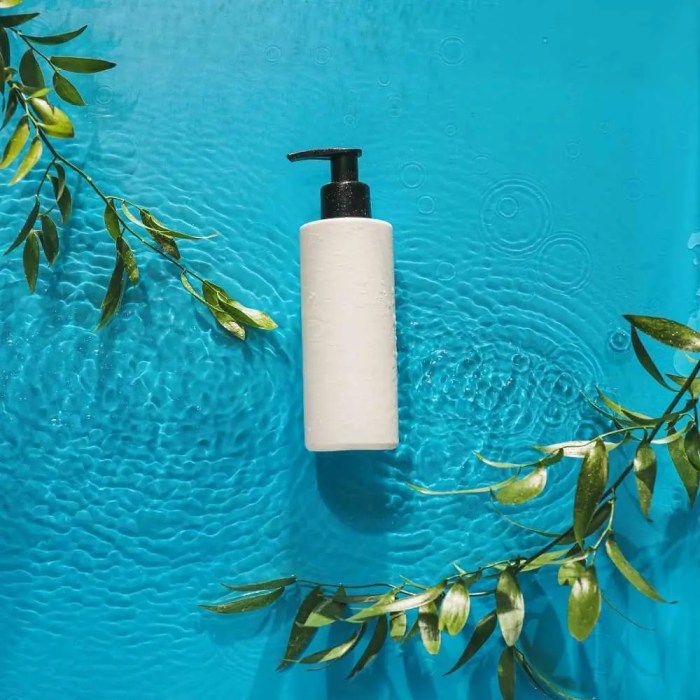
Japanese shampoo dispensers, renowned for their minimalist design and functional elegance, often utilize packaging that seamlessly extends the product’s aesthetic appeal. Beyond simply containing the product, the packaging acts as a crucial element in communicating the brand’s identity and the product’s inherent qualities. This intricate interplay of form, function, and symbolism is explored in this analysis.The packaging for Japanese shampoo dispensers frequently employs a restrained aesthetic, echoing the broader cultural preference for understated sophistication.
This preference manifests in the selection of materials, colors, and imagery. The emphasis on quality and craftsmanship is often reflected in the meticulous attention to detail in the packaging design, enhancing the overall user experience.
Packaging Materials and Their Impact
Japanese aesthetics frequently prioritize natural and sustainable materials. Recycled paper, biodegradable plastics, and innovative eco-friendly options are increasingly common. This commitment to sustainability aligns with broader Japanese consumer preferences for environmentally conscious products. The choice of material not only reflects the brand’s values but also contributes to the overall perception of the product as sophisticated and responsible.
Imagery and Typography in Packaging Design
The use of imagery in Japanese shampoo dispenser packaging is often subtle, emphasizing understated elegance rather than overt displays of luxury. Delicate illustrations of nature, abstract patterns, or minimalist graphic elements are prevalent. Typography, typically employing clean, sans-serif fonts, further reinforces the product’s refined aesthetic. This combination of imagery and typography effectively communicates the product’s intended message of serenity, purity, and quality without being ostentatious.
Packaging Styles and Their Perceived Impact
| Packaging Style | Description | Impact on Product Perception |
|---|---|---|
| Minimalist | Clean lines, simple shapes, neutral color palettes. | Evokes a sense of sophistication, quality, and modern design. |
| Nature-Inspired | Incorporates natural elements like foliage or water, using muted colors. | Connects the product with a sense of tranquility and natural beauty, appealing to environmentally conscious consumers. |
| Geometric | Employs geometric patterns and shapes, creating a visually engaging and modern design. | Communicates a sense of innovation, precision, and contemporary appeal. |
| Abstract | Uses abstract patterns or shapes, often in a muted color scheme. | Conveys a sense of serenity and depth, appealing to consumers seeking a unique aesthetic experience. |
Packaging as a Communication Tool
Packaging is not merely a container; it’s a powerful tool for communication. It communicates the product’s aesthetic and brand identity, subtly conveying the product’s value proposition. For instance, a minimalist package might suggest a focus on functionality and quality, while a nature-inspired design might highlight the product’s connection to natural ingredients. Through careful selection of materials, imagery, and typography, the packaging establishes a clear narrative about the product and its intended user.
Illustrative Examples
Japanese shampoo dispenser designs showcase a meticulous blend of functionality, aesthetics, and cultural sensitivity. These dispensers, often minimalist and refined, reflect the country’s emphasis on quality materials, ergonomic design, and a focus on the user experience. The design choices are frequently inspired by traditional Japanese aesthetics, such as the emphasis on natural forms and understated elegance.The examples below highlight the distinct characteristics of Japanese shampoo dispenser designs, ranging from prominent brands to the subtle details that contribute to the overall aesthetic.
They illustrate the key principles of Japanese design philosophy, demonstrating how these principles are applied to everyday products.
Specific Design Examples
Japanese shampoo dispensers often prioritize clean lines, a sense of order, and the use of high-quality materials. These features are evident in both the form and function of the product, making the dispensing process both efficient and visually appealing. Notable brands consistently exhibit a commitment to design excellence.
- Muji (無印良品): Known for its minimalist approach, Muji shampoo dispensers typically feature a simple, rectangular form with muted colors like white or light gray. The emphasis is on functionality and simplicity, with the design often inspired by natural forms. The material selection is usually focused on durability and sustainability, with recycled or recyclable plastics frequently used. The design is unadorned, focusing on the user’s experience of using the product.
- Kose (高絲): Kose, a major player in the Japanese beauty industry, often employs a more sophisticated aesthetic in its shampoo dispensers. They may incorporate subtle decorative elements, like subtle textures or metallic accents, without overwhelming the overall form. Their designs often demonstrate a keen understanding of both practicality and visual appeal. The emphasis on high-quality materials and craftsmanship is evident in the premium feel of their dispensers.
Their design ethos focuses on the integration of modern aesthetics with traditional Japanese sensibilities.
- Shiseido (資生堂): Shiseido’s designs often incorporate a more contemporary aesthetic, emphasizing clean lines and a modern feel. They frequently use high-quality materials like glass or ceramic, contributing to a premium feel and a focus on sophisticated aesthetics. Their shampoo dispensers often feature a subtle color palette, reflecting the brand’s commitment to elegance and refinement. The design process prioritizes the smooth, efficient user experience.
Brand Aesthetic Analysis
The table below highlights the distinct aesthetic features of various Japanese shampoo dispenser brands. These features illustrate the brands’ commitment to specific design philosophies and user experience.
| Brand | Aesthetic Features |
|---|---|
| Muji | Minimalist, muted colors (white, gray), natural forms, simple rectangular shape, focus on functionality and sustainability |
| Kose | Sophisticated, subtle decorative elements, high-quality materials, modern aesthetic, integration of practicality and visual appeal |
| Shiseido | Contemporary, clean lines, high-quality materials (glass, ceramic), subtle color palette, focus on elegance and refinement, modern aesthetic |
Design Philosophies
“At Muji, we strive to create products that are both functional and beautiful, emphasizing the use of simple, natural forms and materials.”
Muji Design Philosophy
“Kose designs are meticulously crafted to enhance the user experience, combining modern aesthetics with traditional Japanese sensibilities.”
Kose Design Philosophy
“Shiseido’s designs prioritize a sense of elegance and refinement, using high-quality materials and a focus on a modern aesthetic.”
Shiseido Design Philosophy
Future Trends
Japanese shampoo dispensers, steeped in tradition and meticulous design, are poised for evolution. The future will likely see a convergence of minimalist aesthetics with advanced technologies, reflecting a continued emphasis on functionality and sustainability. Emerging materials and innovative design principles will further refine the user experience, driving a shift towards personalized and environmentally conscious solutions.
Potential Design Directions
The future of Japanese shampoo dispensers will likely incorporate a blend of traditional craftsmanship and modern technology. Expect to see a focus on streamlined, minimalist designs, prioritizing space efficiency and a harmonious integration into bathroom aesthetics. The trend towards modularity, allowing for customization and adaptability, will gain traction. This adaptable approach will cater to diverse user needs and preferences, fostering a greater sense of personalization.
Emerging Materials
The materials employed in Japanese shampoo dispensers will likely see a move towards more sustainable and innovative options. Bio-based plastics, recycled materials, and plant-derived components will gain prominence, reflecting a growing global emphasis on eco-friendliness. Advanced polymers with enhanced durability and resistance to water damage are also likely candidates for use, aligning with the long-lasting quality expected of Japanese design.
The integration of smart materials, capable of adapting to temperature and humidity, is also a potential area of exploration, offering personalized dispensing adjustments.
Integration of New Technologies
Smart technology will play a pivotal role in the evolution of Japanese shampoo dispensers. Sensors and integrated digital displays could provide personalized recommendations for shampoo usage, optimizing hair care routines based on individual needs and hair type. The integration of app-based control and connectivity, allowing for remote adjustments to dispensing levels and settings, is a viable possibility. Moreover, advancements in water-saving technologies will likely be integrated, further solidifying the sustainability aspect.
Projected Design Trends and Impact
| Projected Design Trend | Potential Impact |
|---|---|
| Modular Design | Allows for customized dispensing options, catering to diverse hair types and user preferences, and promotes adaptable storage solutions. |
| Sustainable Materials | Reduces environmental footprint and promotes ethical production practices, aligning with the growing demand for environmentally conscious products. |
| Smart Dispensing Systems | Offers personalized recommendations, enhances user experience, and provides data-driven insights into optimal hair care routines. |
| Minimalist Aesthetics | Maintains the clean, uncluttered aesthetic favoured in Japanese design, promoting a seamless integration into modern bathrooms. |
| Advanced Water-Saving Features | Reduces water consumption and promotes environmental responsibility, a crucial consideration in today’s world. |
Global Design Impact
Japanese aesthetics, deeply rooted in minimalism, functionality, and a respect for nature, are increasingly impacting global design trends. The meticulous attention to detail, use of natural materials, and focus on user experience found in Japanese shampoo dispensers are now being observed in a widening array of product categories. This influence stems from a shared global appreciation for well-designed, user-friendly products that embody a sense of refined simplicity.Japanese design principles, particularly in their emphasis on ergonomics and mindful material selection, are not limited to the realm of personal care products.
They’re being adopted across various industries, from electronics and automobiles to fashion and interior design. The underlying philosophy of “侘び寂び” (wabi-sabi), which embraces imperfection and the beauty of transience, is a significant contributor to this global adoption. This philosophy is resonating with a growing consumer base seeking products that embody quality and sustainability, moving beyond superficial trends.
Influence on Global Product Categories
Japanese design principles are demonstrably impacting numerous global product categories. This influence is noticeable not just in the aesthetics but also in the underlying design philosophy.
- Electronics: Manufacturers are incorporating minimalist forms, intuitive interfaces, and natural color palettes inspired by Japanese aesthetics into smartphones, laptops, and other electronics. The focus on functionality and user experience, mirroring the Japanese approach, is a driving force in this trend. For example, Apple’s design language, while not directly replicating Japanese aesthetics, shares a similar emphasis on simplicity and clean lines.
- Automotive Design: The sleek, aerodynamic lines often seen in Japanese cars are now observed in designs globally. Japanese manufacturers are often at the forefront of this trend, with vehicles that emphasize both performance and a refined aesthetic. The integration of subtle, yet impactful design elements such as flowing lines and reduced exterior components are key influences. This reflects the Japanese emphasis on efficiency and form.
- Interior Design: Japanese principles of minimalism and natural materials are prevalent in modern interior design globally. Open spaces, natural light, and the use of natural materials like wood and bamboo are increasingly popular. The concept of creating a serene and functional living space, a hallmark of Japanese design, is influencing residential and commercial interior design.
- Fashion: The focus on understated elegance and the use of natural fabrics in Japanese fashion are increasingly influential globally. A blend of traditional craftsmanship and modern interpretations is common, evident in the use of simple cuts, natural tones, and attention to detail.
Cross-Cultural Exchange in Design
The adoption of Japanese design principles by global companies represents a significant opportunity for cross-cultural exchange. This exchange allows designers to gain insights from diverse cultures, leading to the creation of innovative and culturally sensitive products. This process fosters mutual learning and understanding.
Elements of Japanese Aesthetics Resonating Globally
Several key elements of Japanese aesthetics resonate deeply with a global audience. The emphasis on functionality, respect for nature, and the use of natural materials align with growing consumer interest in sustainability and mindful design.
- Minimalism: The elegance and simplicity of minimalist design, prevalent in Japanese aesthetics, are appreciated for their ability to create a sense of calm and focus. This aesthetic principle is reflected in many global design trends, from furniture to technology.
- Natural Materials: The use of natural materials like wood, bamboo, and stone is a common element in Japanese design, aligning with the global trend towards eco-conscious and sustainable practices. This emphasis on sustainability is a major driving factor.
- Ergonomics: The meticulous focus on user-centered design and ergonomics is a significant aspect of Japanese design. The emphasis on intuitive and comfortable user experiences is reflected in a wide range of global products.
- Aesthetics of Imperfection: The Japanese philosophy of “wabi-sabi” embraces the beauty of imperfection and the natural aging process. This perspective is increasingly resonating with a global audience seeking a more authentic and less curated aesthetic.
Table: Influence of Japanese Design on Global Product Categories
| Product Category | Specific Design Influence | Examples |
|---|---|---|
| Electronics | Minimalist form, intuitive interfaces, natural color palettes | Smartphones, laptops, tablets |
| Automotive | Sleek lines, aerodynamic design, emphasis on performance and refinement | Cars, motorcycles |
| Interior Design | Open spaces, natural light, use of natural materials (wood, bamboo) | Residential and commercial interiors |
| Fashion | Understated elegance, natural fabrics, traditional craftsmanship | Clothing, accessories |
Wrap-Up
Japanese shampoo dispenser aesthetics demonstrate a profound understanding of user experience, marrying form with function in a way that resonates deeply with cultural values. The use of natural materials, mindful color choices, and a commitment to minimalism create a sense of calm and harmony, extending beyond the bathroom to embody a broader design philosophy. This meticulous approach holds potential for inspiring future design trends across various product categories.
